
Defence first
Eleven between goalkeepers and centre-backs, outnumbering the strikers. The Azzurri call-ups serve as a stark reminder of just how far Italian football has fallen

Scan the list and you are left with a lingering sense of incompleteness. There is a feeling that something fundamental is missing: flair, genius, and creativity. Or, more simply, the very essence of the game. Goals.
Twenty-eight players have been summoned to make history—or rather, to avoid being unceremoniously erased from the annals of modern elite football. Gennaro Gattuso, the Italian national team coach, has officially released its squad for next week’s World Cup play-offs. To call the selections uninspiring would be an understatement, but expectations were already on the floor for a side slumped at 13th in the FIFA rankings—their lowest ebb since 2019—following a humbling 7-1 aggregate defeat by Norway in qualifying.
Italy has not won a knockout match at a World Cup since the day they lifted the trophy on 9 July 2006. It is a sobering statistic which means at least two generations of Italians have never experienced the life-defining collective tension of a win-or-go-home match in the world’s greatest tournament. Meanwhile, Italian sport elsewhere has flourished: a world number one in tennis, Olympic gold in the 100m, a record winter medal haul, and a Formula 1 Grand Prix winner. Even the national cricket and baseball teams have impressed on the world stage. Everything, it seems, except the football.
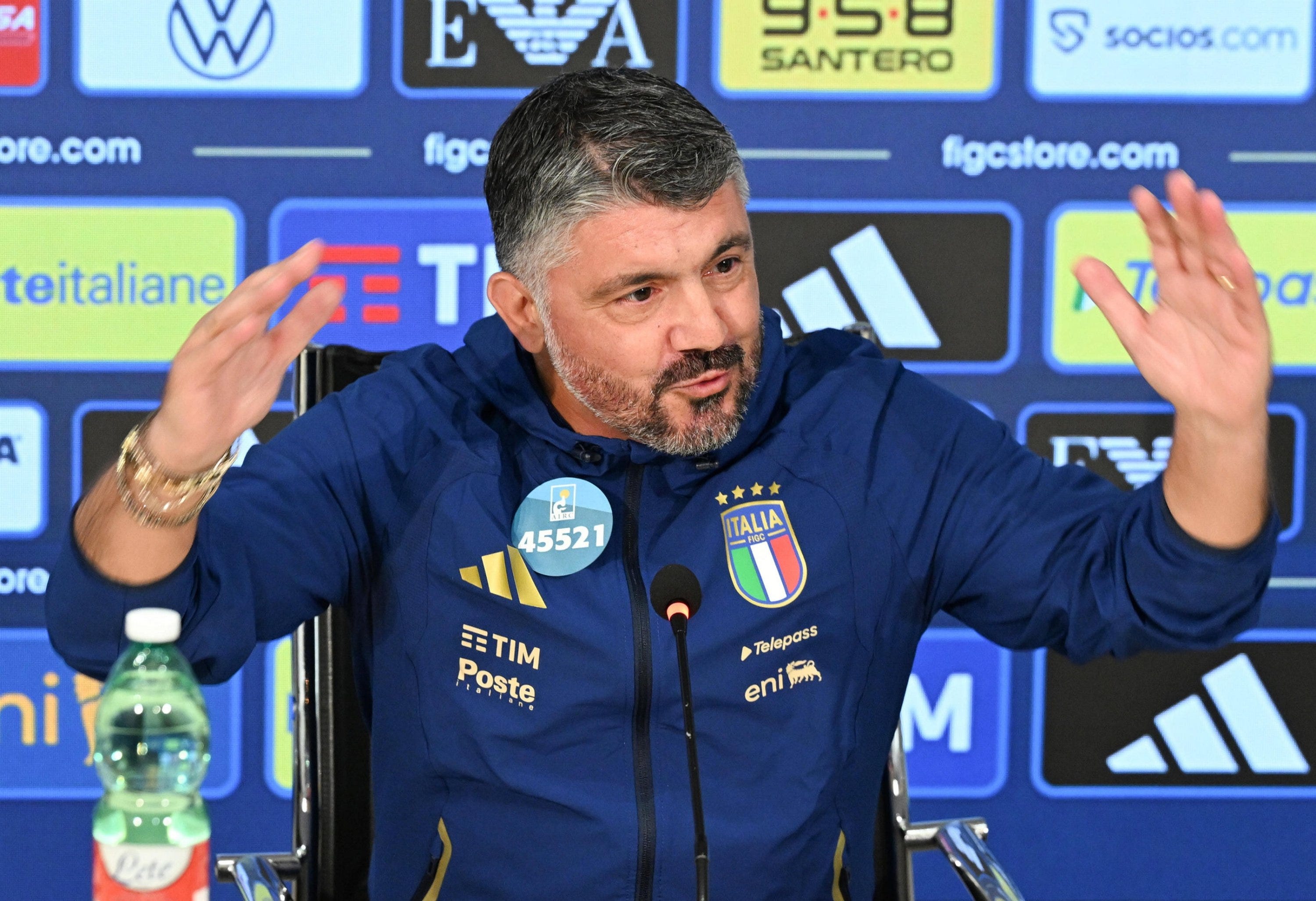
“This is who we are” has become the weary mantra of late, reinforced by the dismal showing of Italian clubs in European competition this season. Young domestic talent is a rare sight in Serie A, and head coach Gattuso has opted for grit over imagination, sticking with the core group that dragged the Azzurri to the play-offs.
The squad list offers a clear blueprint for the tactical approach awaiting Northern Ireland in the semi-final in Bergamo, and a potential final away to either Wales or Bosnia-Herzegovina. Italy will almost certainly deploy the 3-5-2 system currently dominating Serie A, where 13 out of 20 clubs utilise such formation.
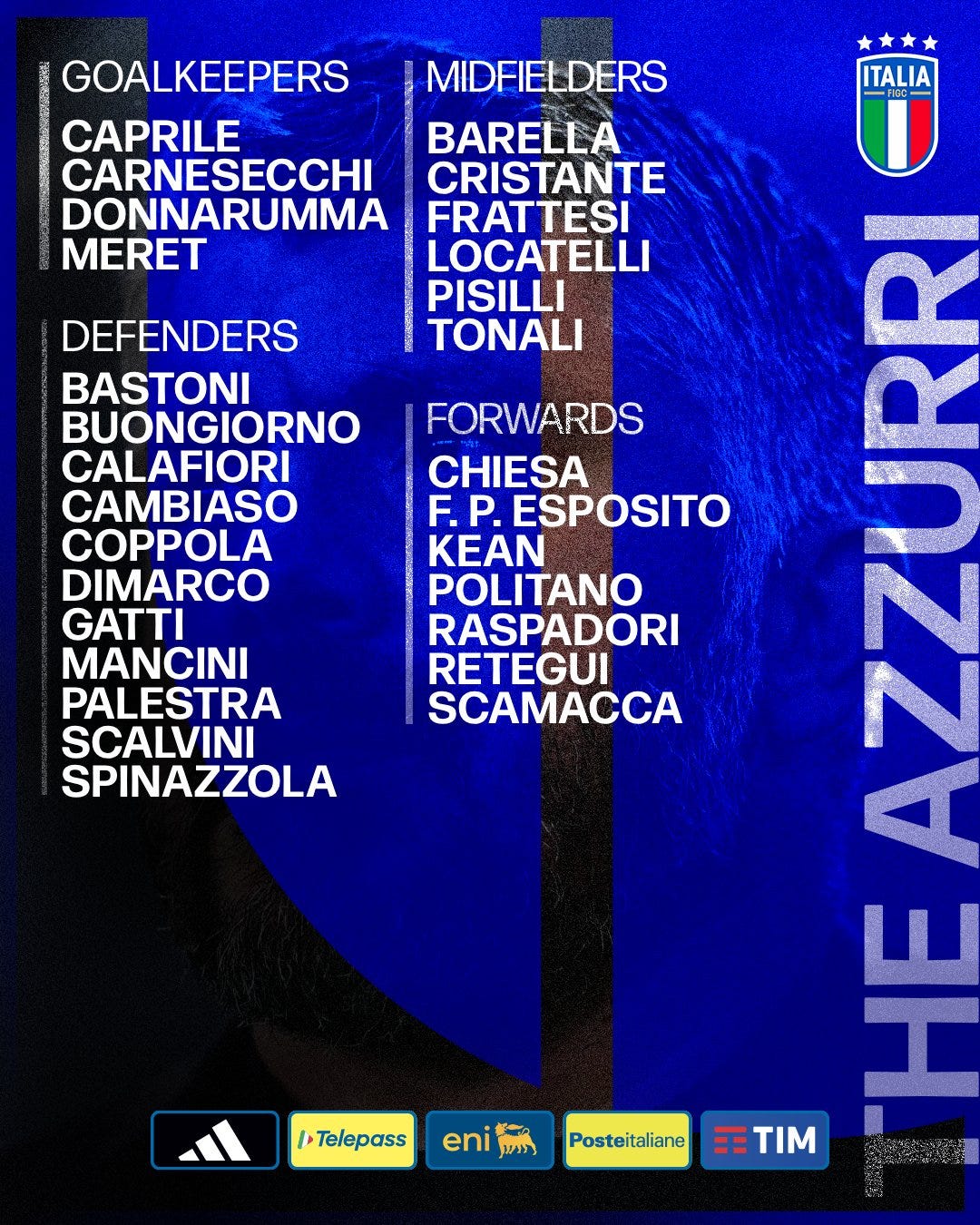
However, the sheer volume of defenders is striking. Seven centre-backs have been called-up, including Diego Coppola—currently on loan at Paris FC from Brighton—and Federico Gatti, who remains a dependable, charismatic figure for Juventus despite his last international appearance coming a year ago. When you factor in four goalkeepers and defensive-minded midfielders like Bryan Cristante and Manuel Locatelli, the number of players whose primary job is not scoring goals is wildly disproportionate.
But this is the reality of modern Italian football; the traditional ‘Number 10’ has long been an endangered species. There were whispers that Gattuso might turn to Bologna’s Federico Bernardeschi, who has found a second wind after three years in MLS, or Udinese’s revitalised Nicolò Zaniolo. Even Lorenzo Insigne, now back in Italy with Serie B side Pescara after his American adventure, was mentioned.
Ultimately, Gattuso has played it safe. He would likely have called upon Marco Verratti, currently playing in Qatar, but injury has ruled out the veteran.
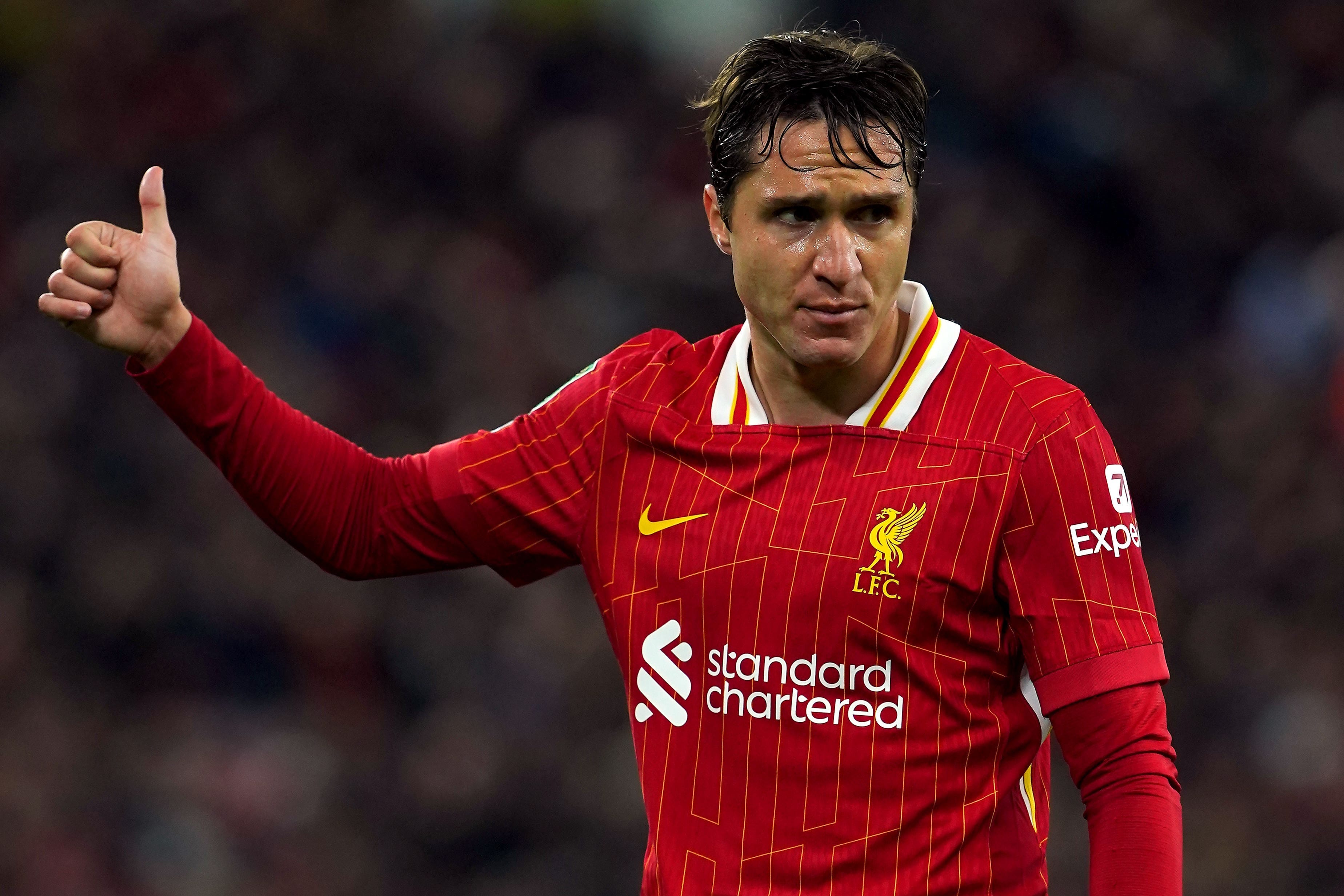
Much has been made of the lack of “rhythm” in the Italian game compared to the Premier League, which makes Gattuso’s decision to snub some of his English-based contingent all the more curious. The likes of Michael Kayode (Brentford) and Willy Gnonto (Leeds) might have offered the energy and freshness required for a clash against British opposition. Both feature regularly in the top flight, unlike Federico Chiesa, who received a surprise recall despite playing just 10% of available minutes for Liverpool in the league this season.
With Sandro Tonali’s injury at Newcastle leaving fans anxious, the projected back three of Alessandro Bastoni, Alessandro Buongiorno, and Riccardo Calafiori appears talented but perhaps lacking a seasoned leader. Elsewhere, Inter’s Nicolo Barella and Davide Frattesi are struggling for form. To put it bluntly, the line-up looks like goalkeeper Gianluigi Donnarumma plus ten others.
The contrast with European rivals is bruising. France boasts an embarrassment of riches including Kylian Mbappe, Michael Olise, and Ousmane Dembele. Even Bradley Barcola, fresh from a Champions League brace against Chelsea, cannot find a place in their squad.
Italy’s hopes instead rest on the shoulders of Pio Esposito, the robust 20-year-old Inter forward who has three goals in five caps. Given his physical profile, he will rely heavily on service—most likely from club teammate Federico Dimarco. The Serie A MVP has racked up 14 assists this season and remains Gattuso’s most potent weapon, though one the opposition will surely have highlighted in red.
With impeccable timing, the Italian FA (FIGC) this week unveiled a new blueprint for youth development, aiming to bridge the gap through better federal coordination.
“We want to emphasise the technical aspect,” said Maurizio Viscidi, the long-standing technical director for youth football. “We are noticing that in Italy we are perhaps over-complicating things with tactics and the obsession with results.”
Italy is attempting to mirror the models of France and the Netherlands in hopes of producing the next Roberto Baggio or Francesco Totti—players who have been absent from the Azzurri ranks for far too long. It is a necessary step, albeit one taken with a guilty sense of being late to the party.
For now, the focus is Northern Ireland, followed by a daunting trip to either Cardiff or Zenica. Italy is playing to avoid the abyss; they fighting to stay relevant.