
2,224 days to go
Italy’s youth taste victory again, but courage is needed to avoid past mistakes

It is always reassuring to find validation. To receive it twice within the space of a few hours is even better.
Last Sunday provided just that. First came the Under-17 national team’s penalty shootout victory in the European Championship, closely followed by a win for the senior squad, though “senior” is a stretch, given their record-low average age of just 20.5 years, as they overcame Greece.
These two successes represent the culmination of a journey, albeit a shorter one for Italy’s senior side, led by interim manager Silvio Baldini, who stepped up from the U21s. They confirm what many of us have always known: high-quality young Italian footballers still exist in abundance, and talent production certainly did not grind to a halt in the early 2000s. Despite the wreckage left by failing to qualify for three consecutive World Cups, Italy remains one of the world’s footballing elite nations.
The victory in Tallinn marked Italy’s second European Championship title following their 2024 success, sandwiched around a bronze medal at the 2025 World Cup.
Three years ago, the U19s were also crowned continental champions, while the U20s fell just short in the World Cup final in Argentina that same year. Nine players from that youth crop have since made their Serie A debuts, but the sole link to the senior setup is Inter Milan striker Francesco Pio Esposito. Unsurprisingly, it was Esposito who netted the decisive goals in both 1-0 victories against Luxembourg and Greece last week.
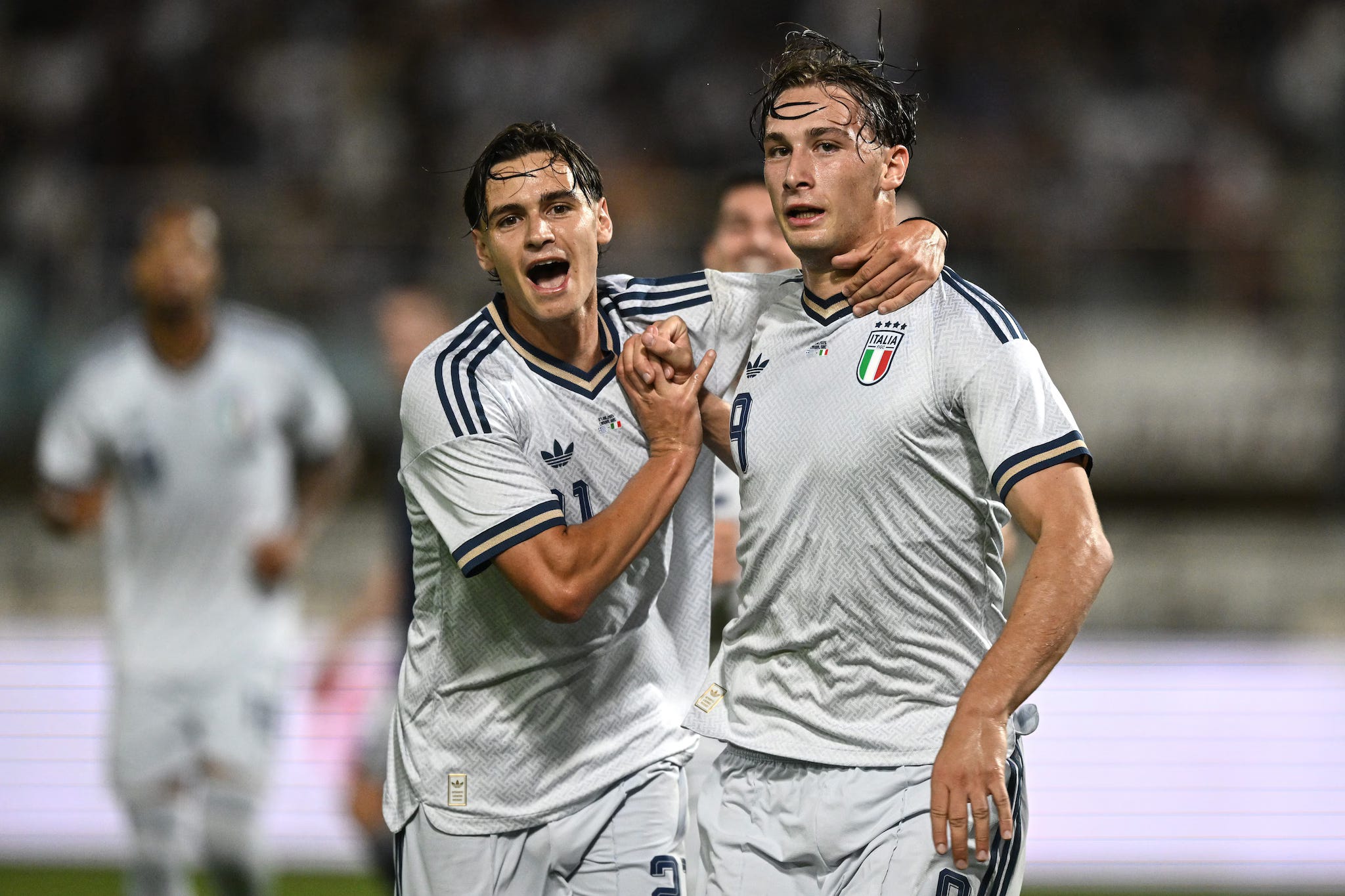
At youth level, tournament victory rarely guarantees a glittering career in the elite game, particularly for those who are still minors. For context, Spain’s 2023 U17 European Championship squad featured Lamine Yamal and Pau Cubarsí, yet they failed to reach the final.
The willingness abroad to blood 17-year-olds in first-team football, ironically, flatters nations like Italy, where young players are routinely held back in their age groups for longer. Simply put, there is a distinct lack of trust when it comes to throwing them into the deep end.
None of the current U17 European champions have made a professional debut; they remain confined to Serie A or B youth setups, like the Primavera (Academy) squads. Whether their clubs will integrate them into senior squads this summer, or opt for older, likely foreign alternatives, remains to be seen. Of the 2024 U17 European champions who started the final, only AC Milan’s Francesco Camarda and Inter’s Mattia Mosconi have tasted Serie A action. Even then, Camarda was shipped out on loan to Lecce this year, while Mosconi featured just twice at the tail-end of the season after the Nerazzurri had already wrapped up the Scudetto.
Yet, just three months ago, Italian football hit another dismal low in Zenica. The response was to reset under interim manager Baldini, an experienced, maverick tactician deeply committed to developing players’ character both on and off the pitch, while implementing a distinctively more attacking brand of football.
True to his philosophy, and likely shaped by his U21 role and an extensive history across Serie C and B where working with youngsters is a necessity, Baldini called up the core of his youth side for June’s double-header of friendlies. It is a group he knows well, having guided them to seven wins and just one defeat in European qualifiers.
To supplement them, he added a couple of veterans: captain Gianluigi Donnarumma, the only player over 21, and the 21-year-old Esposito. The latter is virtually a veteran himself, having racked up 50 appearances and 11 goals for Inter this season, including several crucial strikes on their march to the Serie A title.
Granted, the opposition was modest, Luxembourg sit 98th in the FIFA world rankings, while Greece are 48th, but notably higher than eight teams participating in the World Cup, including Bosnia-Herzegovina, the Azzurri's executioners in the recent play-offs. Nevertheless, the results and, crucially, the attitude on display should not be dismissed. Above all, Italy won both matches on the road without conceding a single goal, a feat not achieved since 2023. In these lean times, that is nothing to scoff at.
Furthermore, despite the slow tempo, there was a visible appetite to fight, run, and ultimately win, traits that had gone missing during past key matches. It was a young, hungry Italy squad featuring several players with Serie B experience, five playing abroad, and multiple second-generation Italian youngsters with at least one parent born overseas. It finally feels like a more accurate reflection of modern Italy, a country where children of immigrants find opportunities and excel across major sports, with the traditional exception of football, which had begun to look starkly anachronistic compared to other European nations.
During the final 15 minutes against Greece, after the Azzurri were reduced to 10 men following the dismissal of Borussia Dortmund’s 18-year-old defender Luca Reggiani, Italy defended doggedly against the Greek onslaught. The jubilant celebrations at the final whistle laid bare just how much this victory meant to the players and staff. While victory was far from a given, failure to win would have severely damaged Italy’s FIFA ranking, with negative knock-on effects for future European Championship and World Cup seeding.
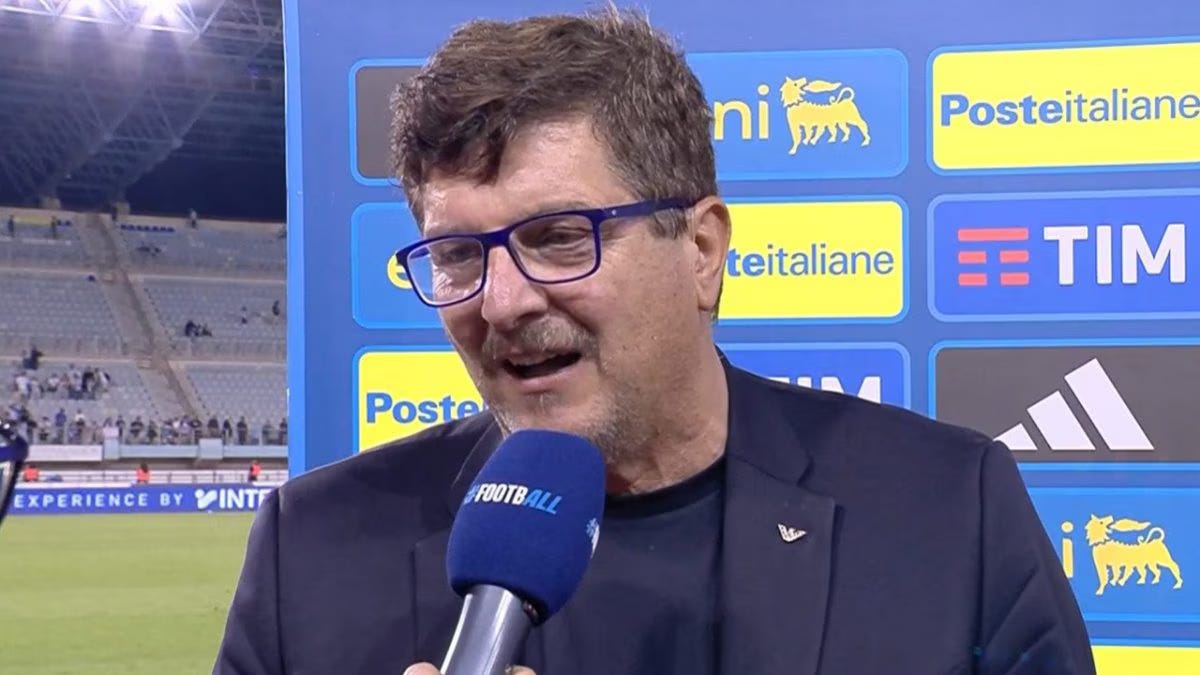
Credit must go to Baldini for executing his brief perfectly, and for acknowledging, after the game, that the long-term stewardship of the national team is not his to claim. Predictably, public clamour has grown for the interim boss to be appointed permanently, drawing comparisons to Luis de la Fuente’s transition from Spain U21s to the senior side in 2022, or Lee Carsley doing the same with England for a brief six-game Nations League spell in 2024. However, those Spanish and English sides were established sides, backed by an endless assembly line of elite talent, as club and international results have since vindicated.
Italy requires a manager who will buy into a comprehensive rebuilding project. This overhaul must start from the grassroots, requiring heavy investment in infrastructure and national training centres, alongside a likely restructuring of the domestic leagues, starting with Serie C, where dozens of clubs face financial ruin every year. Crucially, it demands a cohesive vision that encompasses the academy setups of the top clubs, incentivising them to give youth a chance.
First, a new FIGC (Italian FA) president must be elected. The race is a straight shootout between 75-year-old Giancarlo Abete, who previously held the role from 2007 to 2014, and Giovanni Malagò, who has presided over the Italian Olympic Committee (CONI) for the last 12 years. The vote takes place on 22 June, with the appointment of the new manager closely following. That man will almost certainly be Roberto Mancini, who looks poised for a return after abruptly abandoning the Azzurri bench midway through Euro 2024 qualification.
It is a decision Mancini has evidently come to regret. After a two-year spell managing Saudi Arabia, where he suffered a bruising failure to qualify for the World Cup, matching his 2022 disaster with Italy against North Macedonia, he is currently at Al-Sadd. Mancini has been preferred over Antonio Conte, who publicly threw his hat into the ring back in March, due to his more recent international pedigree and his reputation for blooding youth.
His call-ups of a teenage Nicolò Zaniolo and Simone Pafundi before they had even made their Serie A debuts between 2020 and 2023 remain famous; it was a stark message from the coach highlighting the shallow talent pool at his disposal. Mancini was also the driving force behind the naturalisation of Argentine-born Mateo Retegui, who remains the last Italian passport-holder to top the Serie A scoring charts, though he too now plies his trade in the Middle East.
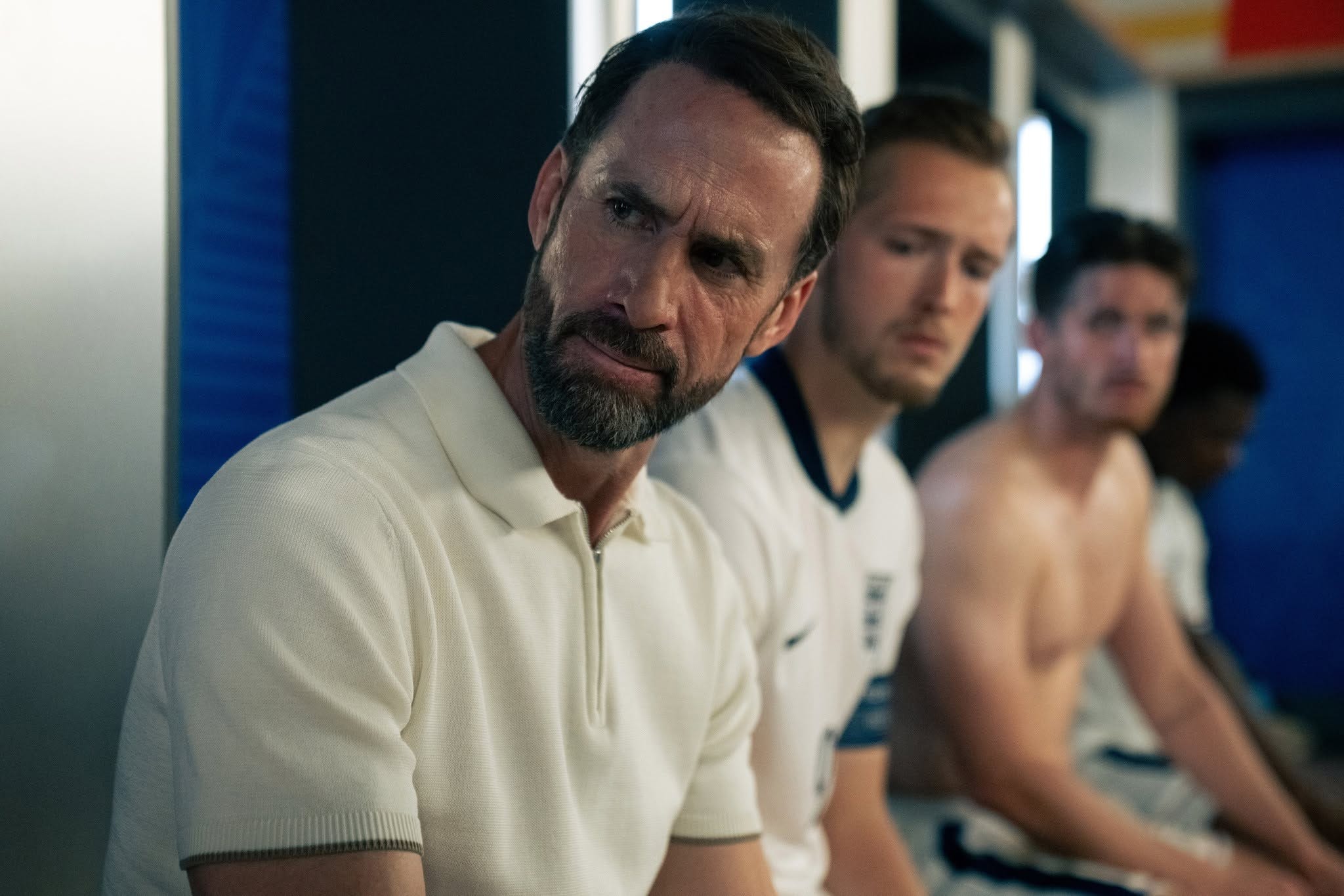
There is a powerful scene in the BBC’s recent hit drama Dear England, which charts how Gareth Southgate rebuilt the culture of the England national team from 2018 onwards. Walking into the dressing room for his inaugural team talk, he activates a digital countdown clock showing over 30,000 minutes. That was the exact time remaining until the 2022 World Cup final.
Southgate explained to his squad that while the 2018 World Cup loomed, the ultimate objective was to prepare for and win the tournament in Qatar. England fell short, but they subsequently reached two European Championship finals, completely transforming the toxic atmosphere that once surrounded the Three Lions.
As of today, 2,224 days remain until the final of Euro 2032, a tournament Italy will co-host alongside Turkey, stadium renovations permitting, with the showpiece finale likely on home soil. That is just over six years away.
While qualifying for the 2030 World Cup is an absolute necessity along the way, the true target must be returning to peak competitiveness to lift the trophy on home turf. This requires long-term planning, calculated risks, and blooding youth at both international and Serie A club level, rather than being held hostage by the demand for immediate results.
The talent is clearly there, as last Sunday proved. Fortunately, time is also on their side. But, for now, Italian football must settle onto the sofa to watch everyone else play at the World Cup.